Saturday, June 13, 2015

Featherstone Quarry

We neighborhood kids used to call it the "Chalk Mine." To us, the abandoned quarry looked like something out of the Old West. We thought for sure it had been there since cowboy days; maybe even a hundred years! There were a bunch of other tall tales about the place, but it would be another half century before I finally uncovered its factual history.

Featherstone Quarry was the entrepreneurial brainchild of one David Forbes Meiklejohn (1876-1937):1 a Stanford-educated mining engineer2 who, around 1920, stumbled somewhat serendipitously upon a large deposit of almost pure diatomaceous earth on Chaffee lands in the hills southeast of Covina, and subsequently invested a quarter-million dollars to exploit what he perceived as its "vast wealth."

Extraction of the resource began in late 1920-early 1921, when roads to the site were graded and a processing plant constructed.3 The diatomite was used primarily in the manufacture of insulation,3 tile, pipes and conduits.4 Exactly why and when quarrying ended, however, is uncertain. A geology field report based upon data compiled in 1932 stated that operation of the mine "ceased several years ago,"4 so it may be that Featherstone Quarry did not survive as a going concern past 1930.


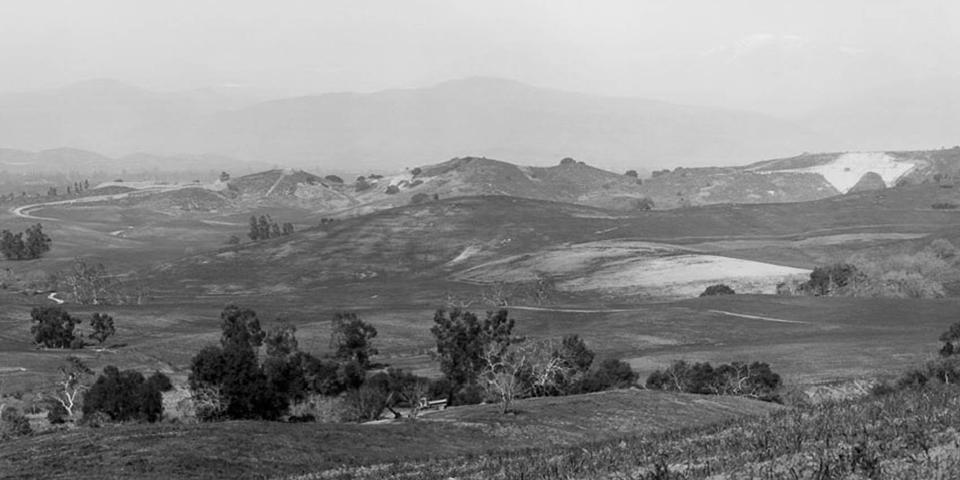
Featherstone Quarry, Covina Hills, 1929. The complex extended from today's Rancho La Floresta Drive at left to the main diatomite mine at right. I-10 now passes from left to right through the low white hill at center. 'Dick' Whittington Studio, photographer. Courtesy of The Huntington Library, San Marino, CA. Link to full-res image.


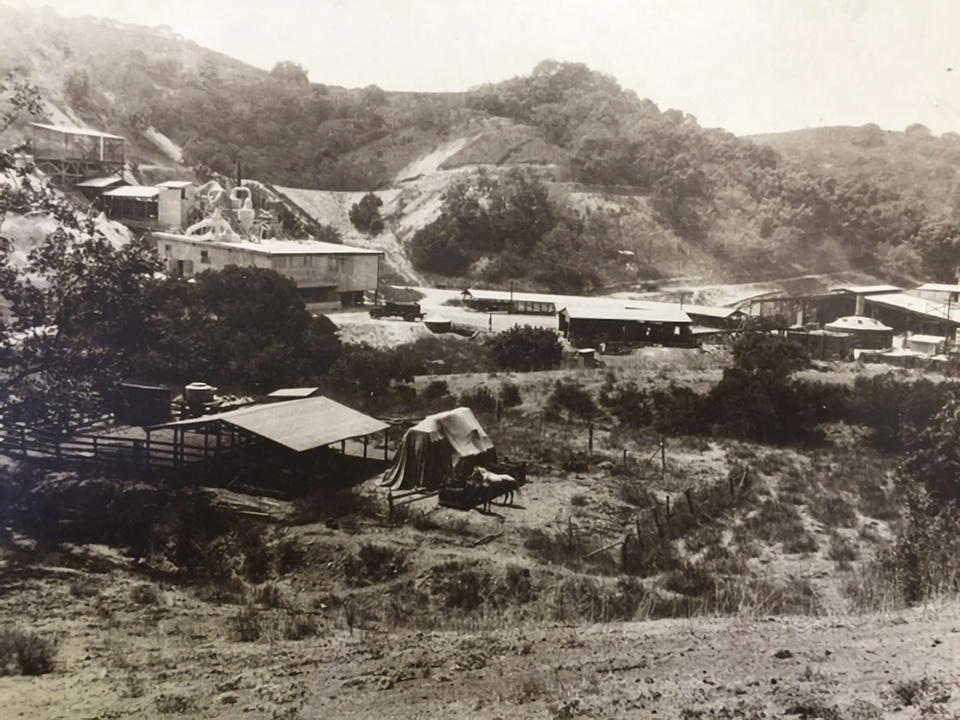
The processing plant over the hill on the Charter Oak side, mid-1920s. In this photo, we are standing on a spot a few yards down the hill from the end of today's Woodhurst Drive, facing southwest toward the intersection of Rancho Los Nogales Drive and Puente Street. Photo courtesy Covina Valley Historical Society.


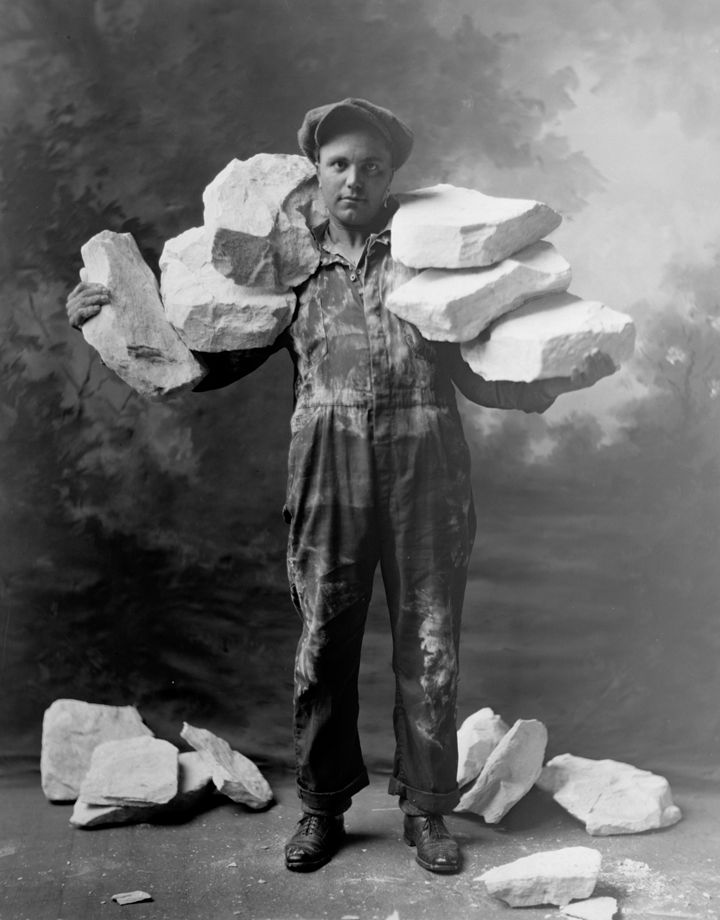
A worker showing why the mine was named Featherstone! The diatomite formed in the Miocene epoch approximately 7 million years ago.4
Image courtesy Covina Valley Historical Society c/o Powell Camera Shop.


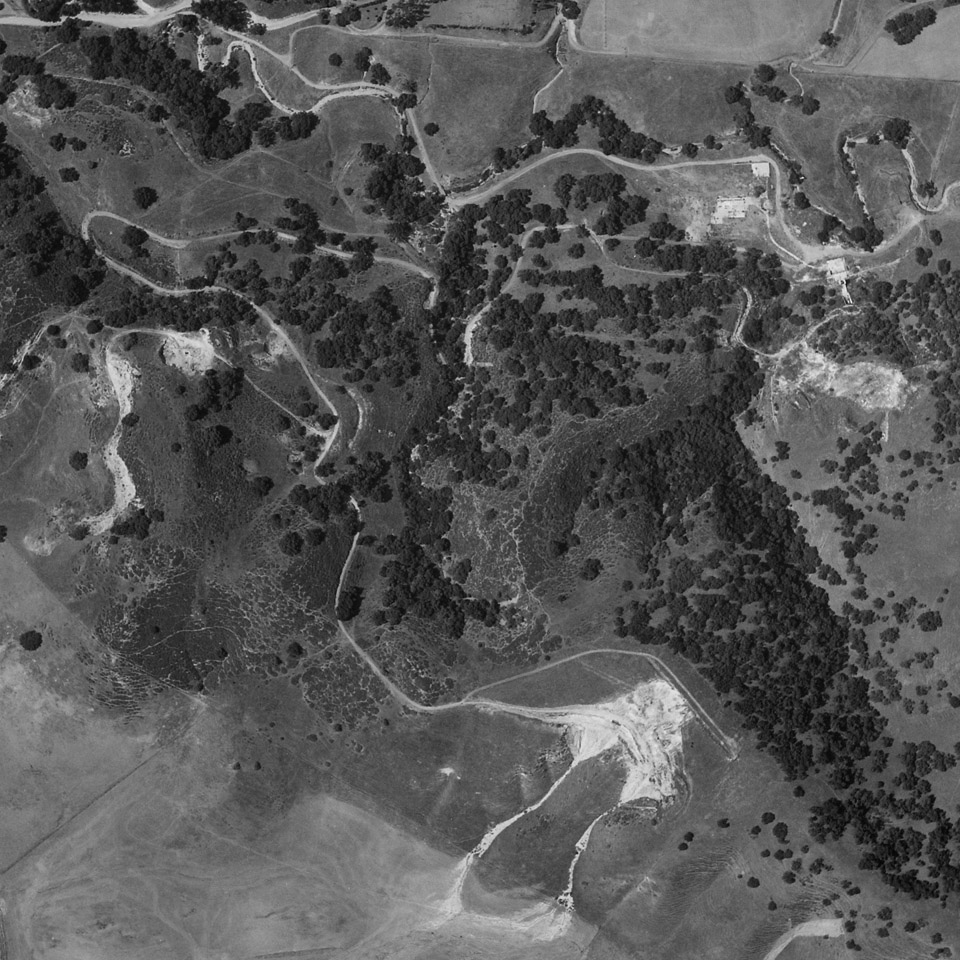
The main quarry (bottom) and its associated roads in 1934. The road at top approximately follows the alignment of today's Puente St.; the road over the hill from the quarry site, Jalapa Drive. Fair use courtesy U.C. Santa Barbara Digital Library, Special Research Collections.


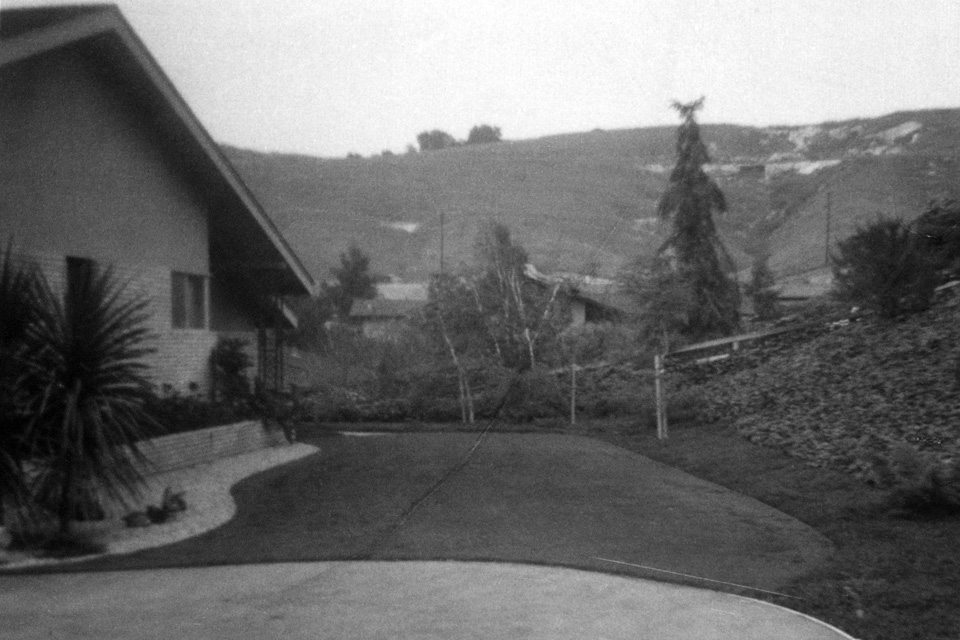
The "Chalk Mine" as seen from our house on Rancho El Encino, June, 1962. What we called the "Quartz Mine" can also be seen to the left of center. Inside that cleft was a thick outcropping of crystalline gypsum.


In 1965, all of the ancient hills north of our neighborhood were bulldozed to create the Covina Heights housing development.

Thursday, June 11, 2015

Casa Mirasol

Local history has changed a little! Likely unbeknown to almost everyone, it turns out one of the buildings of the old Baptist Seminary in the Covina Hills still stands today.

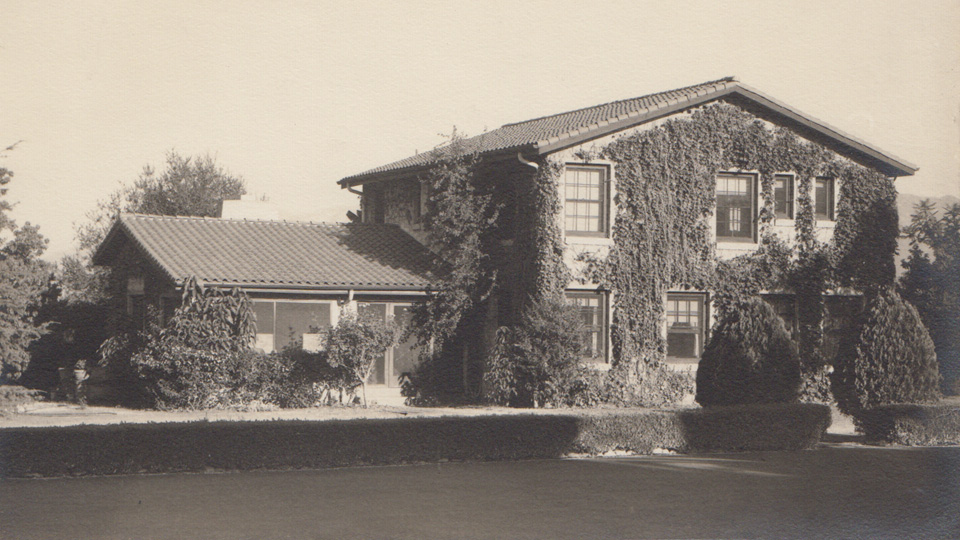
Now a private home, this lone survivor was originally the residence of the Headmaster of the California Preparatory School for Boys.

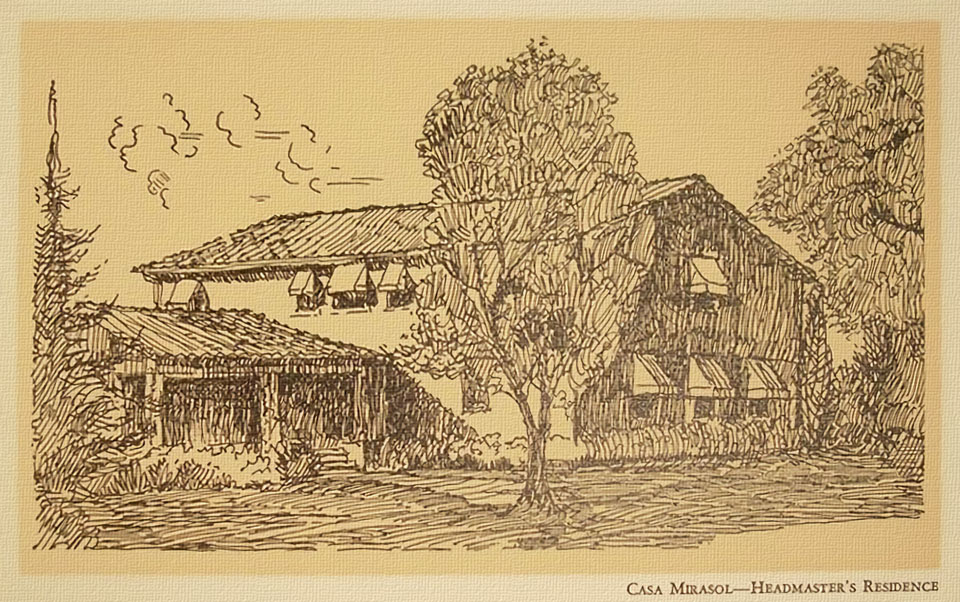
As this student-made drawing from 1936 indicates, the house in its Cal Prep days was known as "Casa Mirasol." According to Assessor's Office records, it was built in 1929.

In 1942, Dr. Gottfried de Purucker moved his branch of the Theosophical Society to the Covina Hills campus, and Casa Mirasol became his home. After the California Baptist Theological Seminary acquired the property in 1951, it was used as the Dean's residence.


Casa Mirasol in 1942

The old school campus was important in Covina's history, and part of my own history, as well. One can only speculate why this building alone was spared demolition, but I'm happy to know it's still with us.


Wednesday, April 1, 2015

Thursday, March 26, 2015

The Oldest Building in Covina

The other day, I got to wondering which might be the oldest structure still standing in Covina. Considering how few buildings from the turn of the last century must remain, the field of candidates could not be very large. Citrus Avenue would probably be a good first place to look. I can't think of anywhere else in town where more structures from that time period could still be standing–at least commercial ones.

The logical place to find this information is the Los Angeles County Office of the Assessor. The Assessor maintains public records for every parcel of land: its legal description, its valuation, etc. If the parcel has a building on it, the original year of construction is also recorded. Fortunately, the County Assessor has an interactive map online where the public can easily access all of this information.

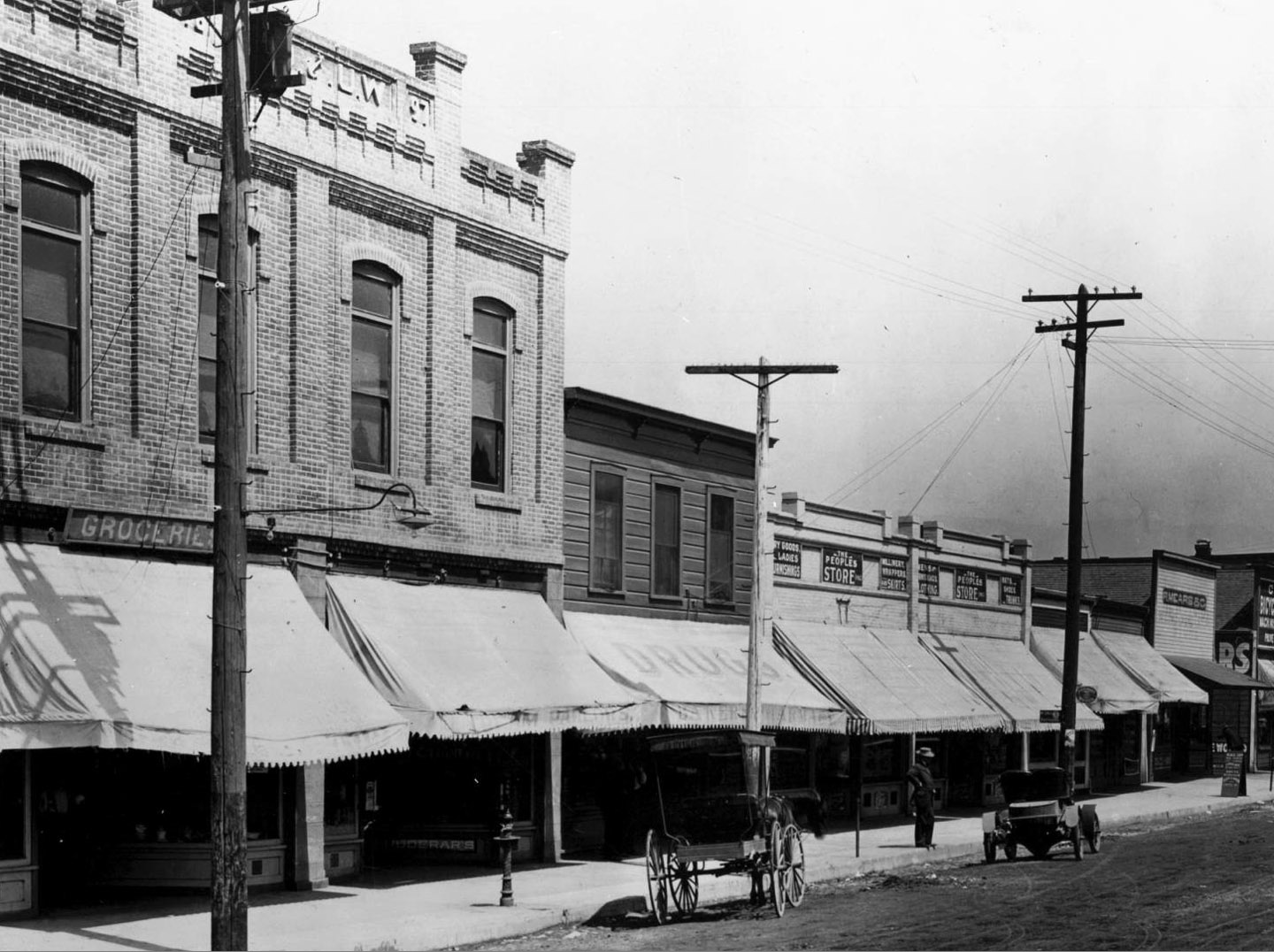
Although not the oldest, the building that has remained in its original state of construction for the longest period of time is the Buller Building–126 N. Citrus–originally home to the Warner & Whitsel Grocery, and the place most of us who grew up in Covina knew as Custer's. The Assessor's record states that it was built in 1905. I have to question that date, however, as a photo taken on the Fourth of July, 1906, clearly shows the older Warner store still standing. Additionally, two historical accounts agree that the new grocery building did not open until Summer, 1909. Whatever its actual construction date, however, aside from some modification to its frontage and interior over the decades, the Buller/Custer's building has remained largely unchanged and still recognizable for the last 105+ years.
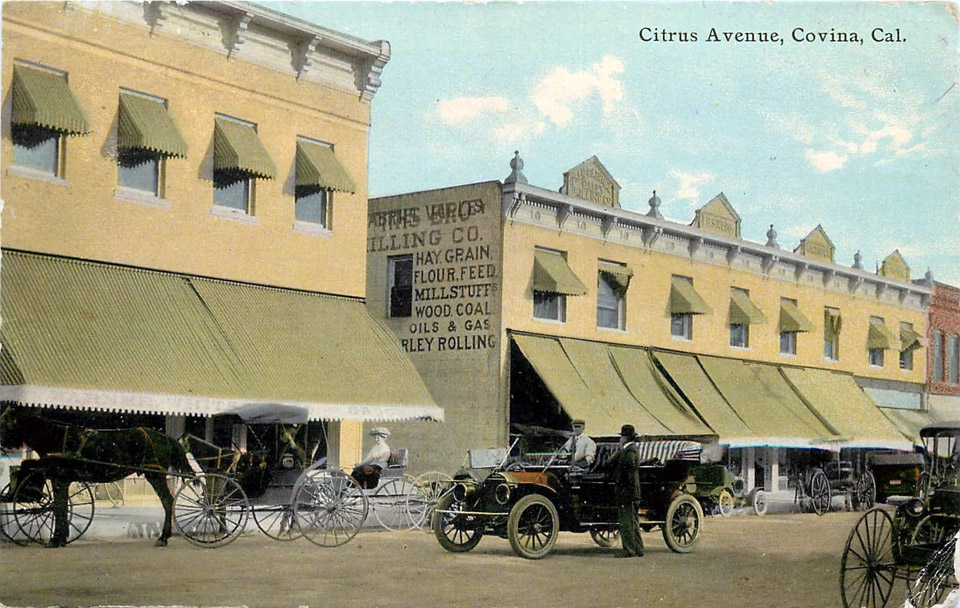

The Warner & Whitsel Grocery (later Custer's, left) and the Allison-Webb Building, circa 1910.

The earliest build date on the east side of Citrus is given as 1880, for the parcel at the northeast corner of Citrus and Badillo. This cannot be correct. According to Donald Pflueger's 1964 history, there were no buildings at all in "downtown" Covina until December, 1884, when the office and print shop of the Covina Independent newspaper was erected at the southwest corner of Citrus and Badillo. The only buildings in the Covina area before 1884 were the Badilla/Phillips house at the southwest corner of the San Bernardino stage road and what would later be known as Hollenbeck Avenue, and a handful of simple structures at "Citrus:" a pioneer settlement established in the 1870s which was located at today's intersection of Citrus Avenue and Cypress Street.

Returning to the northeast corner of Citrus and Badillo, the first building at that location was constructed in 1885: F. E. Grover's general mercantile store at 104 N. Citrus. In 1900, the landmark Reed Block–best known for later housing the Covina Theater–was erected on that corner. It stood for over a hundred years until 2004, when it was razed to construct the Covina Center for the Performing Arts. Although the present building closely resembles the old Reed Block, it is an entirely different structure than the historic building so familiar to generations of Covinans.

The oldest building still standing on the east side of Citrus is actually next door to the former theater–The Allison-Webb Building at 114 N. Citrus–which is now occupied by the unwholesomely-named "Rude Dog Bar & Grill." It was constructed in 1903, though looking at its current false front, 114 N. Citrus today is completely unrecognizable to anyone who grew up in 20th century Covina.


The Reed Block (1900) and the Allison-Webb Building (1903, left) circa 1905.
Courtesy USC Digital Library. Click image to enlarge.

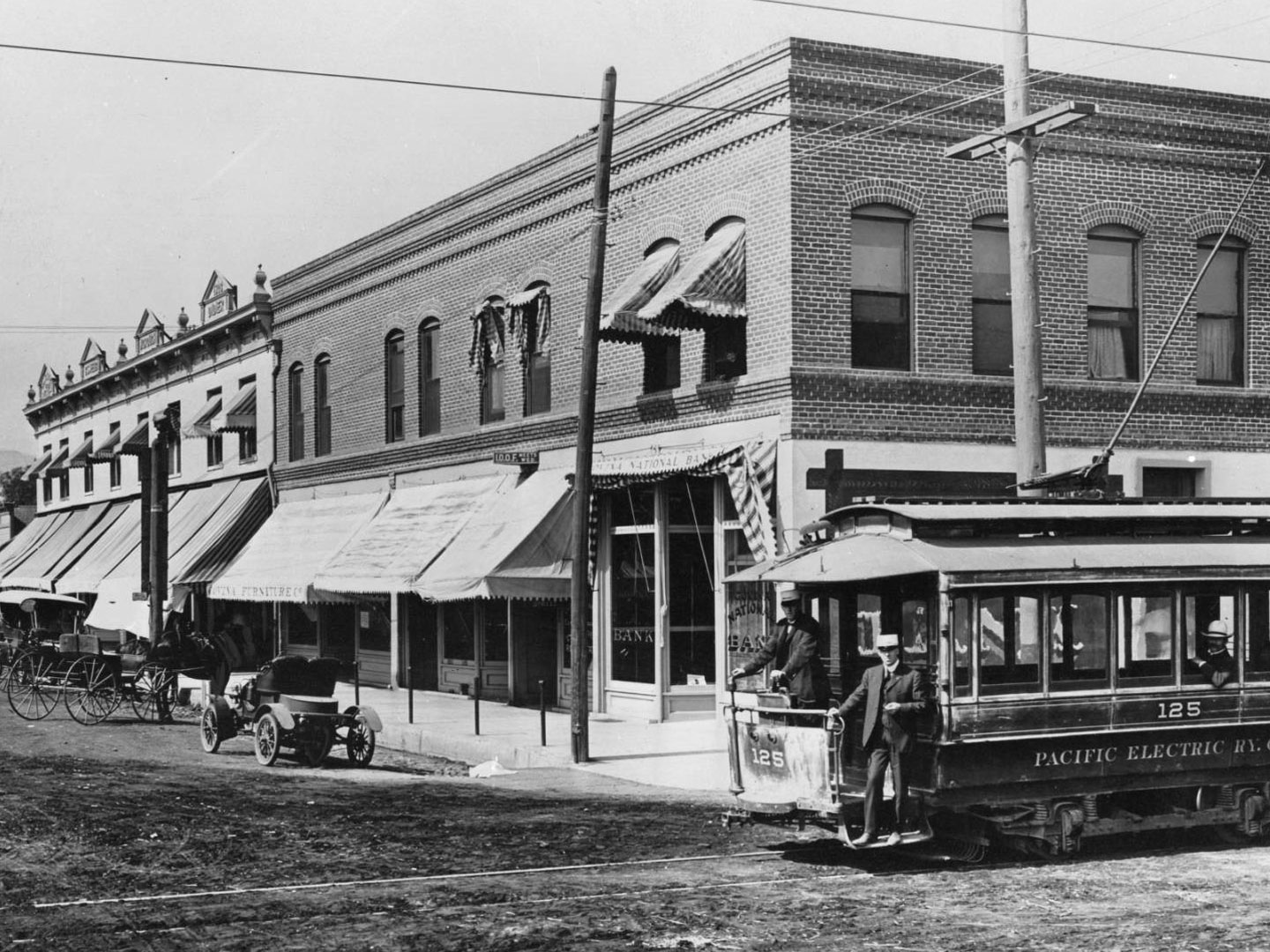
On the west side of Citrus, across the street from the former location of the Covina Theater, there is another candidate for Covina's oldest existing structure: the Chapman-Workmen (not "Workman") Building (now called the Old Covina Bank Building) at 101 N. Citrus. The Assessor's record shows (as does a photo of the building, below) that it was erected in 1897.
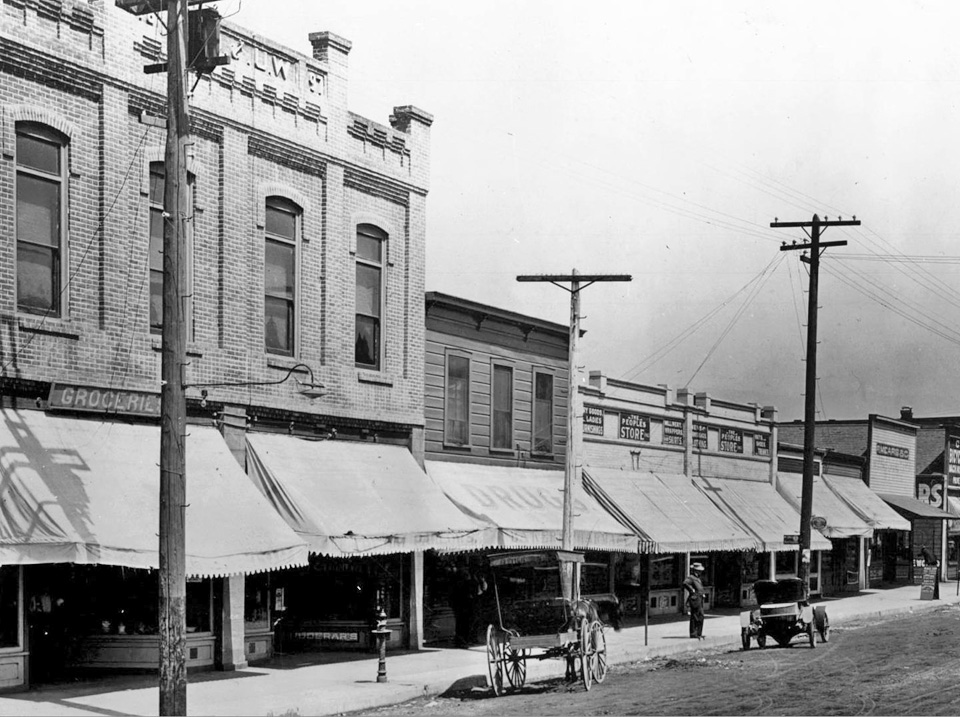

The Chapman-Workmen Building (1897, left) and the actual oldest building in Covina (1885, center) circa 1905.
Courtesy USC Digital Library. Click image to enlarge.

But even the Chapman-Workmen Building isn't the winning entry in our race. Turns out the oldest existing commercial structure in Covina is actually the little hole-in-the-wall storefront next door: 111 North Citrus (the dark two-storey building in the center of the photo above). The Assessor gives its build date as 1885, with its "Effective Year Built" being 1905 (probably when the second storey was added).

Here it is today. Not much to look at, is it? But, evidently, behind that chintzy 20th century facade, and inside its walls, is one of the very first structures built in J. S. Phillips's pioneer township of Covina.

Concerning houses, it appears some of the oldest ones still standing in the original residential section of Covina are three small homes built in a row in 1901 on Cottage Street. It's actually quite shocking to me just how few private dwellings remain in the downtown area bounded by Badillo, 2nd, Hollenbeck and San Bernardino Road. Most of them were swallowed up over the years by municipal parking lots, and by Inter-Community Hospital.

The oldest residence of all, however, would almost certainly be the Thomas Griswold House, originally built at the intersection of Citrus and Cypress in the aforementioned settlement of Citrus circa 1886.
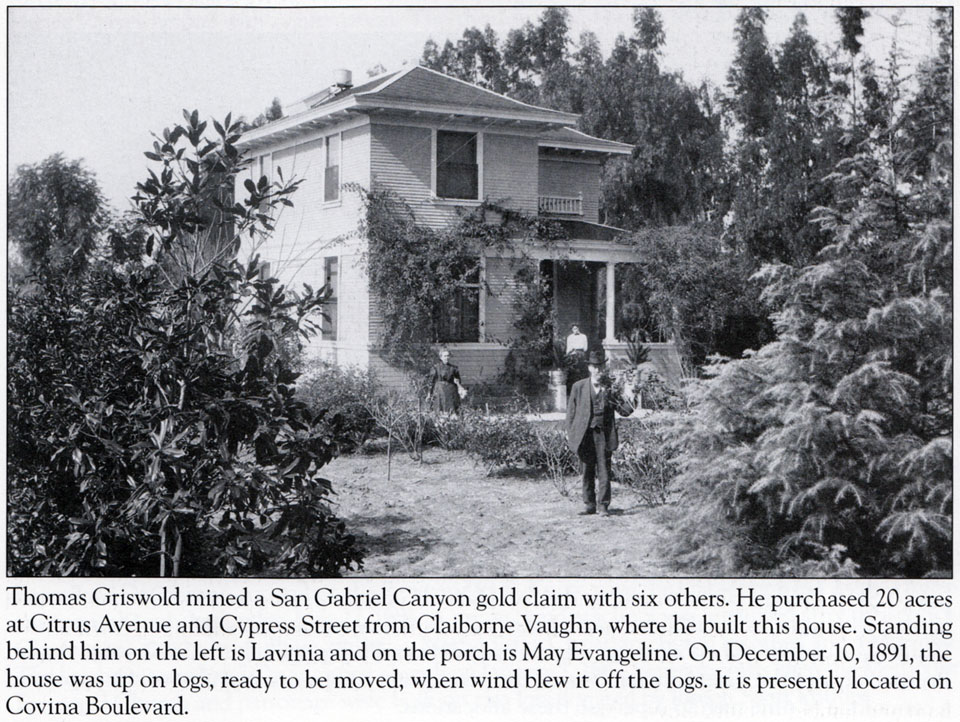

Source: Images of America: Covina, by Barbara Ann Hall, Ph.D., Covina Valley Historical Society, Arcadia Publishing, 2007.
 

Monday, May 26, 2014

Memorial Glen

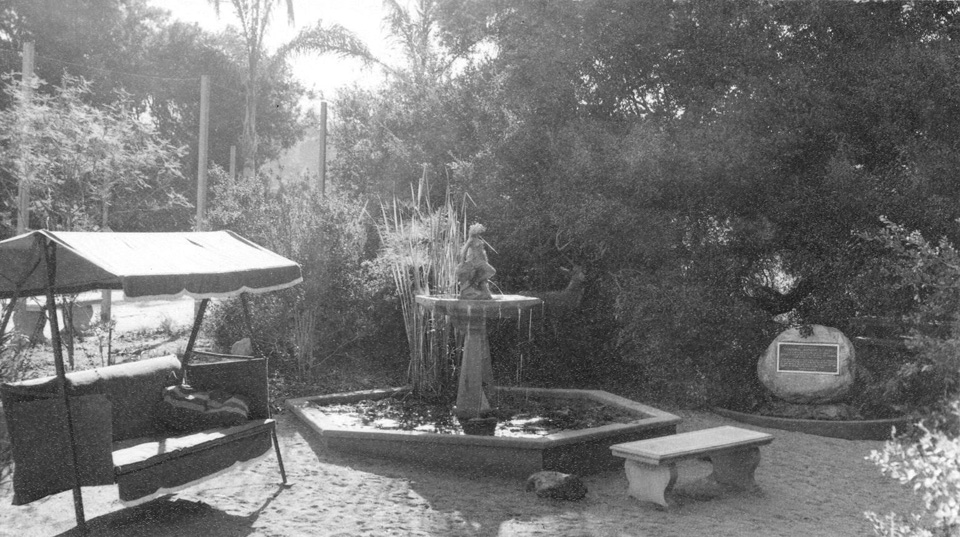
In the closing months of World War II, a grieving father resolved to create a place of peaceful repose dedicated to the memory of his son who had died defending freedom in Europe.


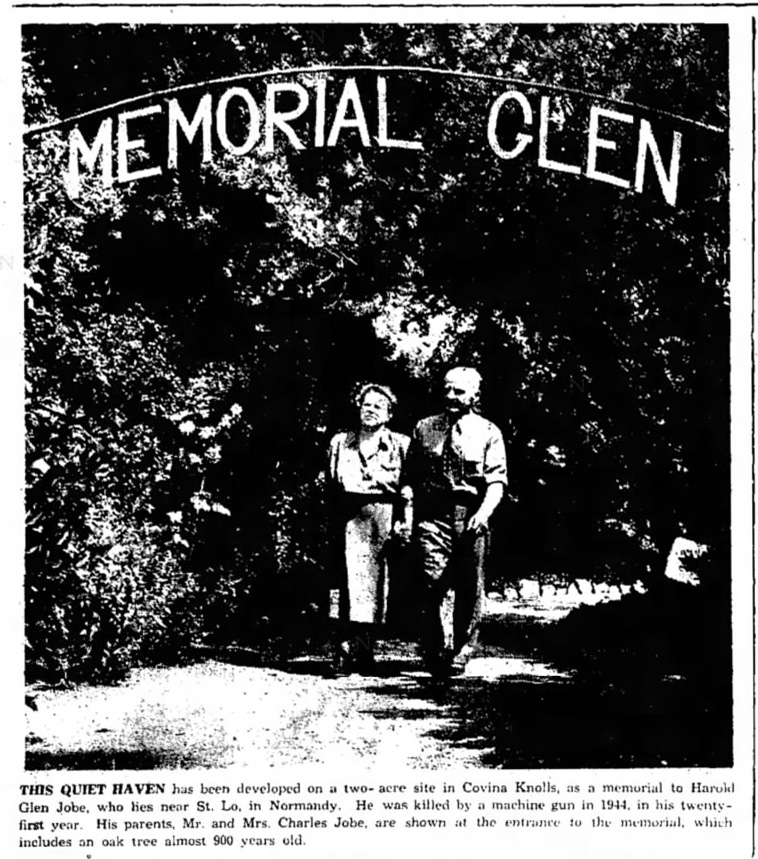
Covina Argus-Citizen, August 15, 1952.


Charles Jobe and his wife Betty were citrus growers in the hills east of Covina. They were the proud parents of two sons: Harold Glen (left, b.1922) and Claude (b.1929), and it was Harold who lost his life at Saint-Lô, France, during the last days of the Battle of Normandy ("Operation Overlord") in August, 1944.


A small, wooded creek ran through the Jobes's land on Holt Avenue, and it was in this mixed stand of live oaks and orange trees that Charles Jobe created "Memorial Glen." Near the center of the grove, in the shade of a magnificent 900-year-old live oak, Mr. Jobe set up a stone monument with a bronze plaque dedicating the park to his fallen son and to the other servicemen from Covina who had sacrificed their lives in World War II.


Over the next two decades, the Jobes hosted multitudes of visitors to Memorial Glen. Sadly, after Charles Jobe died in 1967, and his widow had to relocate elsewhere, the park became the haunt of youths who used the secluded spot for, well, let's just say less-than-reverential purposes. During this period of neglect, almost all of Mr. Jobe's labors were trashed by disrespectful vandals.

To make matters worse, when Interstate 10 was widened in the early 1970s, the adjacent service road was realigned to the east, and all of the trees in the western third of the former Jobe property were taken out. The removal of this protective canopy exposed the trunk and limbs of the ancient live oak to the sun's direct rays, and this resulted in the slow death of the veteran giant. Arborists tried their best to save it, but finally, in the early 1980s, what remained of the great tree had to be removed.

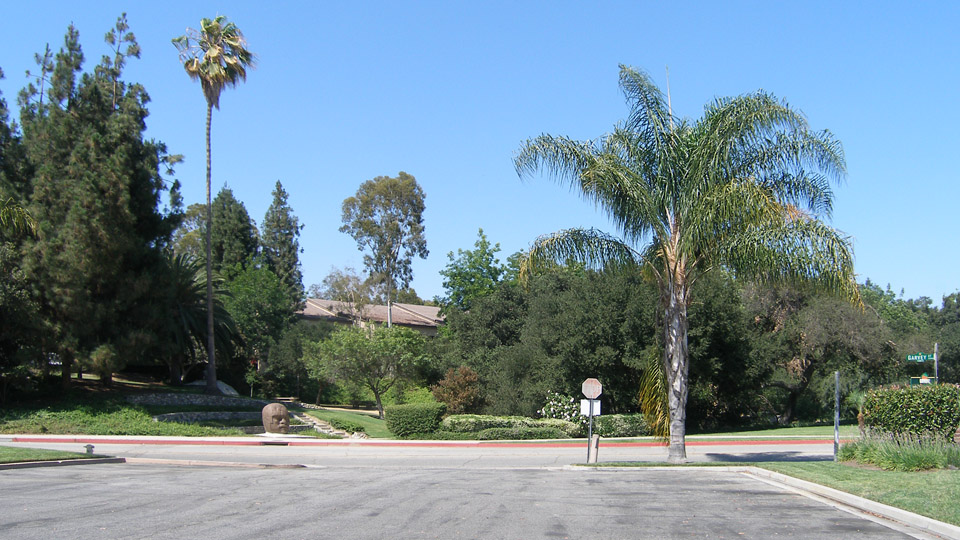
By this time, the City of Covina had acquired the land, and its Parks & Recreation Department created Jalapa Park, named after Covina's sister-city in Mexico.


In 1998, part of the park was turned into a formal Veterans Memorial. This interpretive monument was erected on the site...

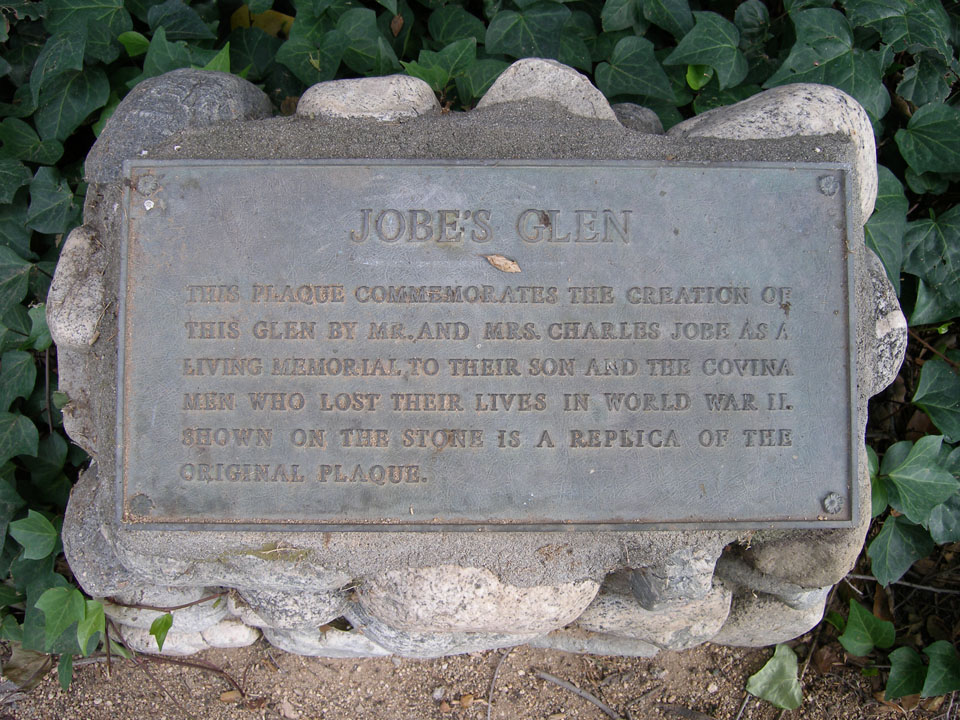
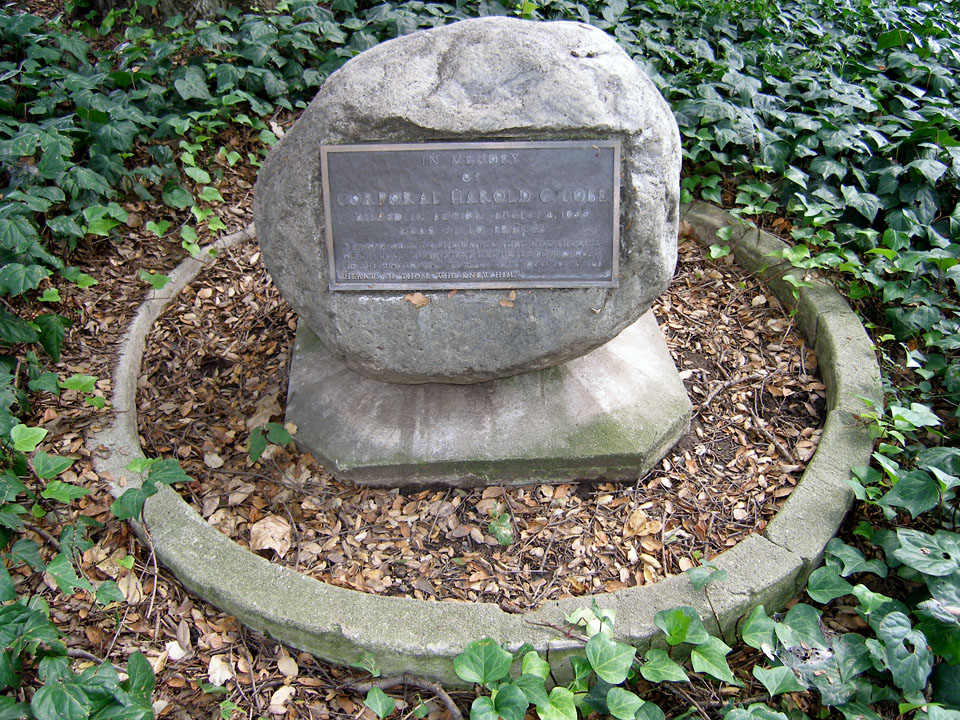
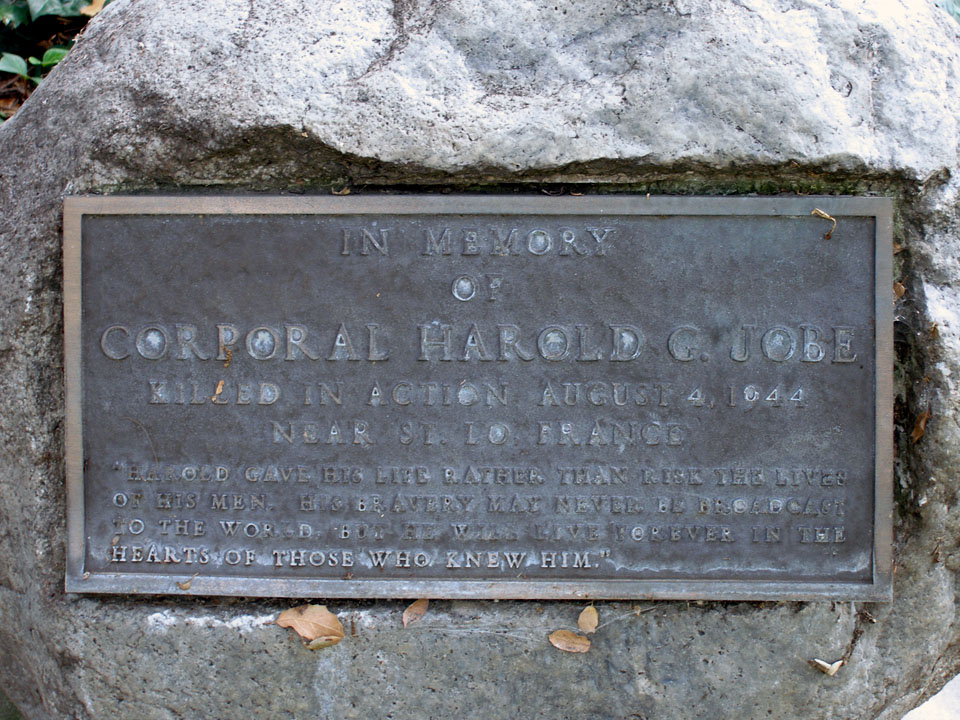
  ...and a new commemorative plaque was installed to replace the long-vanished original.

IN MEMORY
OF
CORPORAL HAROLD G. JOBE
KILLED IN ACTION AUGUST 4, 1944
NEAR ST. LO FRANCE
"HAROLD GAVE HIS LIFE RATHER THAN RISK THE LIVES
OF HIS MEN. HIS BRAVERY MAY NEVER BE BROADCAST
TO THE WORLD, BUT HE WILL LIVE FOREVER IN THE
HEARTS OF THOSE WHO KNEW HIM."


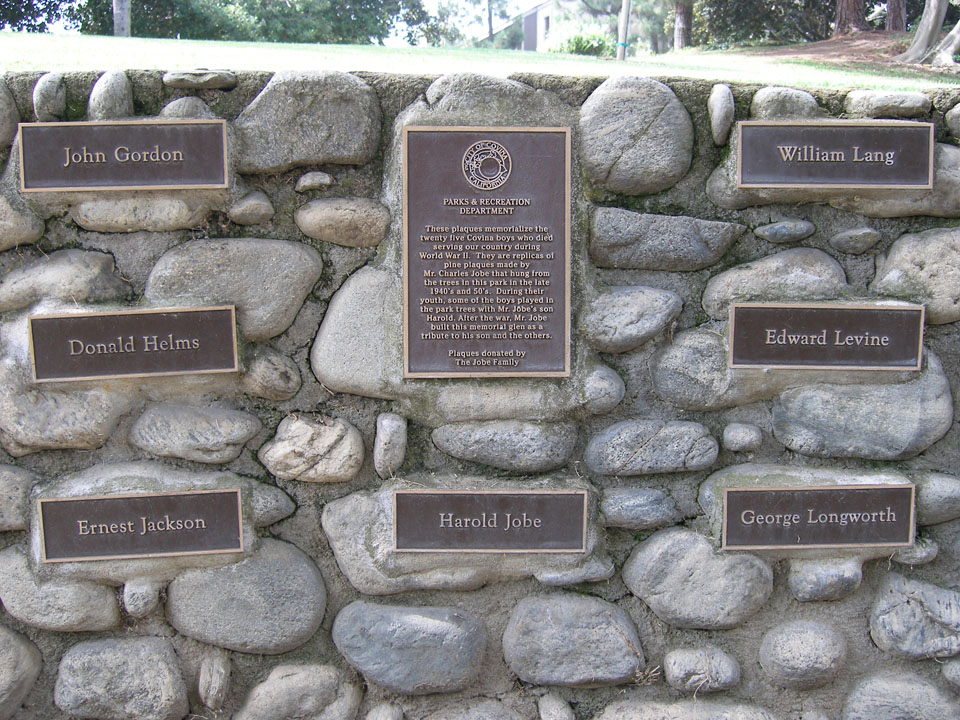
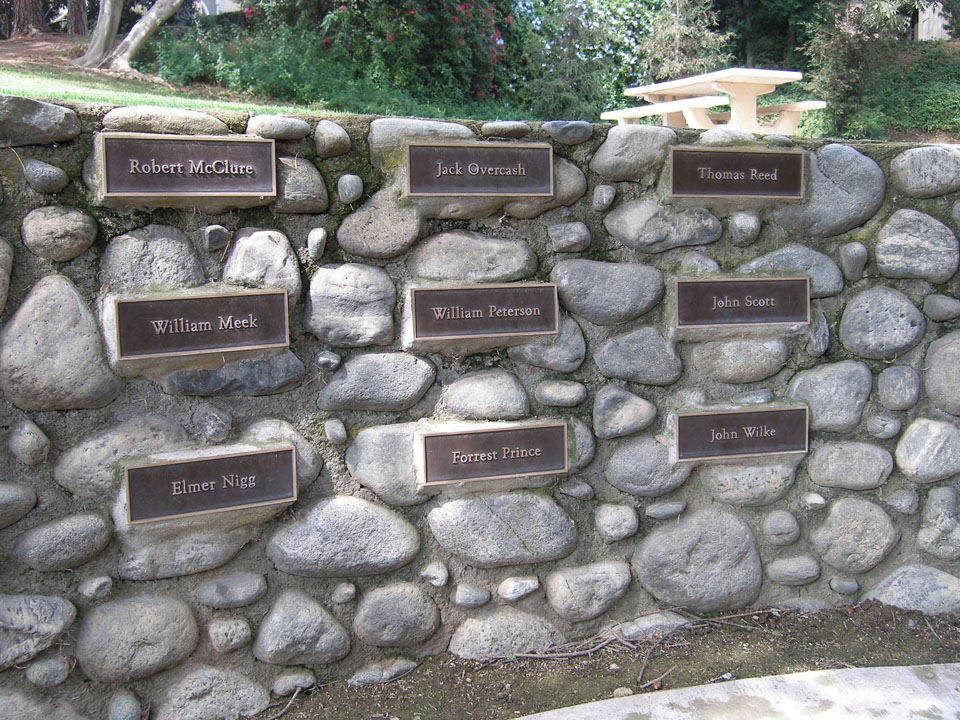
More recently, the family of nephew Jere A. Jobe donated these new bronze plaques to the park.


As someone who grew up only a mile from Memorial Glen during the 1960s, and who personally witnessed its decline in the following decade, I am truly grateful to the City of Covina for restoring and preserving this unique historical site for future generations.


Color photos © J Scott Shannon. Special acknowledgment and thanks to fellow local historian J. David Rogers for the black-and-white photographs, the biographical details of the Jobe Family, and the history of Memorial Glen.


Wednesday, May 21, 2014

Covina Valley Panorama, 1930

Recently, I found this amazing panoramic photograph showing Covina and its environs prior to development.


'Dick' Whittington Studio, photographer. Courtesy of The Huntington Library, San Marino, CA. Link to full-res image.

I realize it doesn't look very amazing at this size, but below are some labeled enlargements which point out what is what in the photo.